How to Organise a Headshot Day for Your Team in London

Organising a team headshot day in London takes roughly 10–15 minutes per person plus 30–45 minutes of setup time – so a team of twenty needs a full day, while eight to twelve people fit comfortably into a half day. Getting those numbers right at the planning stage makes the difference between a smooth, professional session and an afternoon that runs an hour over schedule and leaves half the team looking rushed.
Over thirteen years of photographing teams across London – from four-person start-ups to sixty-strong departments at City law firms – I’ve seen every version of a headshot day, organised brilliantly and organised badly. Here’s what I wish every coordinator knew before we start.
Why Is a Dedicated Headshot Day Better Than Individual Bookings?
A single dedicated session produces something individual bookings can’t: visual consistency across the whole team. When I photograph everyone in one session, the lighting, backdrop, and editing style are identical from the first person to the last. Your company’s LinkedIn profiles and website bios actually look like they belong together – which is surprisingly hard to achieve when headshots are taken months apart in different locations.
There’s a cost benefit too. James Gifford-Mead Photography offers a per-head rate for group sessions that’s significantly lower than booking individual sittings. For a team of twenty, that saving is substantial – and the result is a more polished, cohesive set of images than you’d get any other way.
How Much Time Do You Actually Need for a Team Headshot Day?
Allow 10–15 minutes per person, plus 30–45 minutes for setup before the first slot. That’s the figure I’ve refined after hundreds of corporate sessions, and it consistently works. Here’s the breakdown:
- Setup time: 30–45 minutes to build the lighting, test the backdrop, and take a few test shots before anyone arrives.
- Per person: 10–15 minutes each. That covers a brief chat, the actual shoot (usually 50–80 frames), and a quick review of the best images on screen together.
- Buffer time: Add a 10-minute gap every 90 minutes. People run late, meetings overrun, and someone will always forget their slot. Without buffers, the afternoon slides irreversibly.
For a team of twenty, expect five to six hours including a lunch break. For teams of eight to twelve, a half day is comfortable. I always recommend morning sessions – people look fresher, energy levels are higher, and there’s less chance of a diary conflict derailing the afternoon.
Should You Use Your Office or Book a Studio?
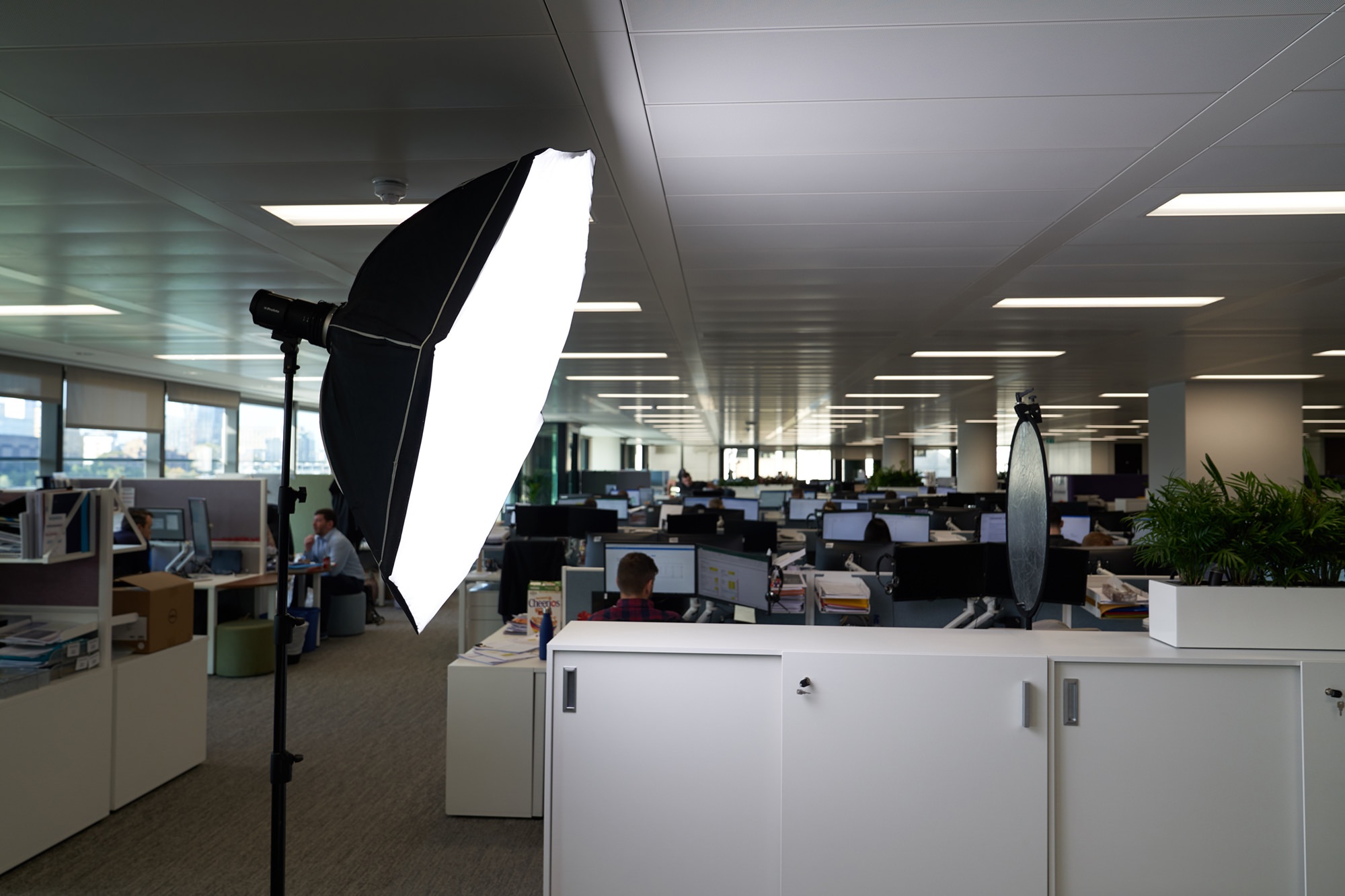
Most team headshot sessions I photograph happen on-location at the client’s office, and there are good reasons for that. Your team doesn’t have to travel, you avoid losing half the day to logistics, and I can use your office environment for environmental portraits alongside the standard backdrop shots.
What I need from the space is straightforward. A meeting room or boardroom roughly 4 metres deep by 3 metres wide is usually ideal – enough depth to separate the subject from the backdrop and position the lighting correctly. I also need access to a power socket for the studio flash, and somewhere nearby for people to wait so there’s no awkward queuing inside the shooting space.
Floor-to-ceiling windows directly behind the shooting position add time (managing mixed light), but I can work with them. If your office doesn’t have a suitable room, or you want a different feel, I work with several studios across the City and Clerkenwell that are set up specifically for this kind of work. As your corporate headshot photographer in London, I’ll advise on the setup that suits your team’s size and the look you’re after.
What Should You Tell Your Team Before the Day?
This is where most headshot days succeed or stumble. Your team needs four things ahead of time – and receiving them with enough notice to actually act on them:
Their exact time slot. I provide a schedule template once we’ve confirmed numbers. Share it at least a week before the day and ask people to flag conflicts immediately. Swapping slots in advance is easy; shuffling the order on the day causes delays.
What to wear. Smart professional clothing in solid, muted colours. Avoid busy patterns, logos, and bright white, which bounces light and can overexpose in photographs. I’ve written a detailed clothing guide that’s worth sharing with your team ahead of time.
What actually happens. Most people feel nervous because they don’t know what to expect. A short note from the organiser – “it takes about ten minutes, James will guide you through it, and you’ll see the photos on screen straight away” – removes most of that anxiety before anyone walks in.
Why you’re doing it. People engage better when they understand the purpose – whether it’s a website refresh, a rebrand, or simply ensuring the company has consistent professional imagery across all platforms.
What’s the Checklist That Prevents Day-of Problems?
I send a version of this to every client before a team session, and it reliably prevents the most common issues:
- Confirm final headcount at least five working days before
- Book the room for an extra hour either side of the scheduled slots
- Ensure building security knows equipment is arriving (lighting stands, backdrop, flight cases)
- Send the time-slot schedule and clothing guidance to all participants
- Designate one point of contact for the day – someone I can reach if a person doesn’t show for their slot
- Have a mirror available near the shooting room (people appreciate a last-minute check)
- Clear the room of clutter before I arrive – I’ll rearrange furniture, but starting tidy saves setup time
What Happens After the Shoot?
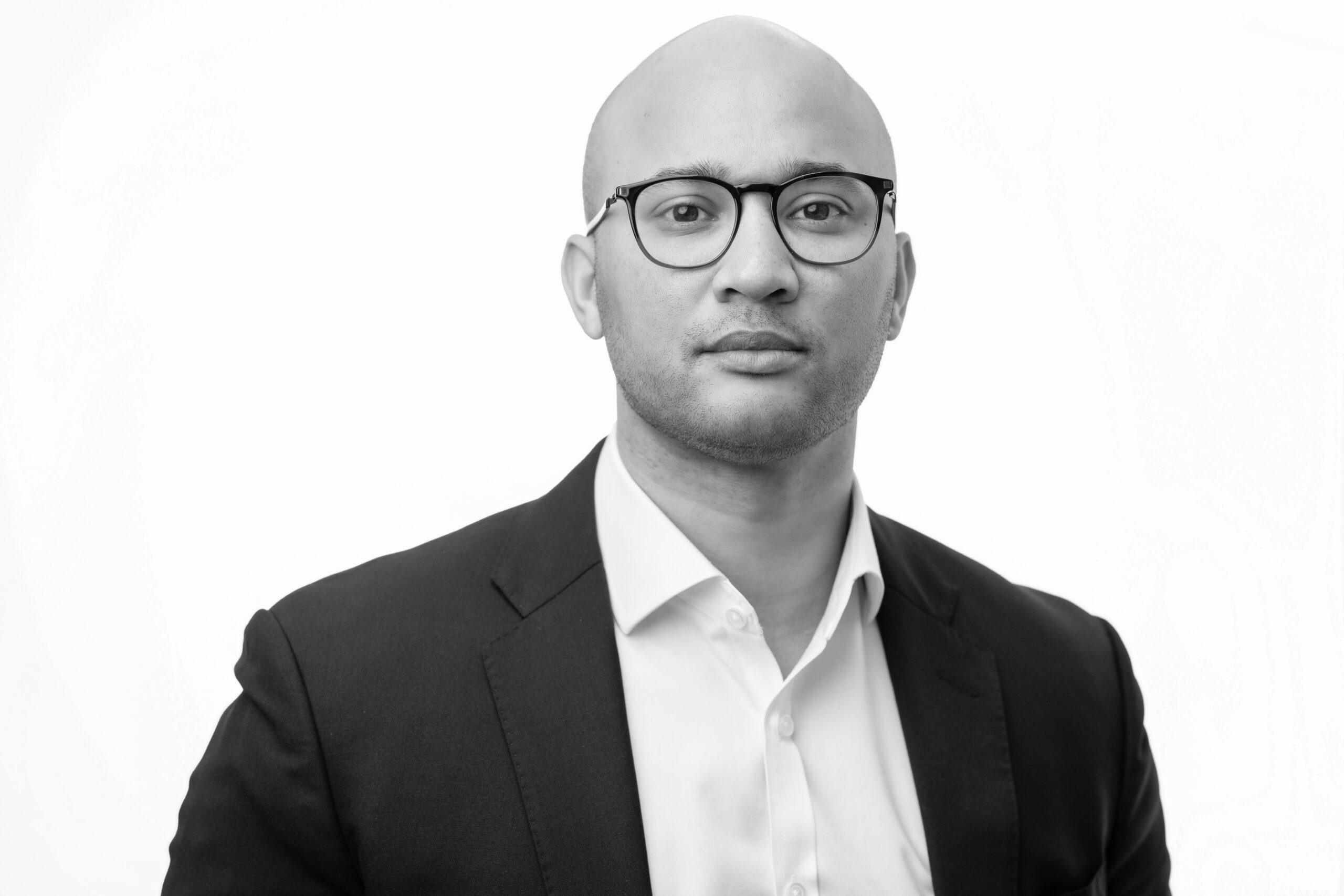
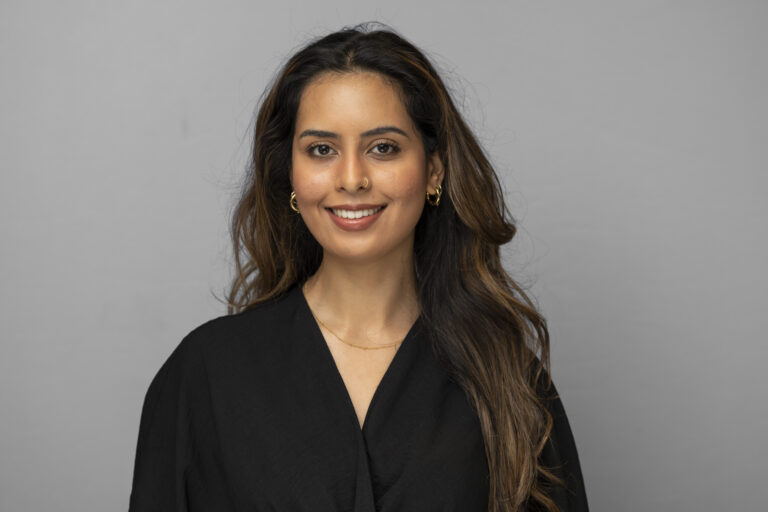
James Gifford-Mead Photography delivers fully edited images within five working days. Each person receives two to three retouched finals – enough for LinkedIn, your website, and internal directories. The retouching is always natural: skin smoothing where it helps, stray hairs tidied, but nothing that makes someone look like a different person.
That last point matters more than most clients expect. In thirteen years of team headshot work, I’ve found that people are far happier with images that look genuinely like them. The goal is always a better version of how you actually look – not a different face.
If you’re planning a headshot day for your London team and want to talk through the logistics, I’m happy to help with the planning from the start. Get in touch and we can work out the setup that fits your team best – whether that’s on-location at your office or in a studio in the City.