How to Brief a Corporate Event Photographer: The Complete London Shot List Template

Quick Answer
Brief your London corporate event photographer with the venue, timings, named on-day contact, three to five must-have shots, and any access or photo restrictions. Send this by email at least one week before the event and follow up with a fifteen-minute call the day before.
Learn more: End of Year Corporate Events in
Over the years I’ve photographed several hundred London corporate events, and the difference between a smooth shoot and a stressful one almost always comes down to the brief. A good brief gives the photographer the information needed to be in the right place at the right time, with the right lens, before the moment happens. A poor brief leaves us guessing.

What’s the minimum useful brief for a corporate event photographer?
Four things are non-negotiable. The venue with full address. The timings, ideally broken down to thirty-minute slots. A named contact on the day, with their mobile number. And three to five must-have shots that, if missing, would make the gallery feel incomplete. Everything else is helpful but those four points are the brief.
Send this by email and copy the venue’s events team so they’re expecting me at the door. If you have parking or loading bay information, include it. London venues can eat thirty minutes of setup time if I have to argue with security at the back door.
How do I write a useful shot list?
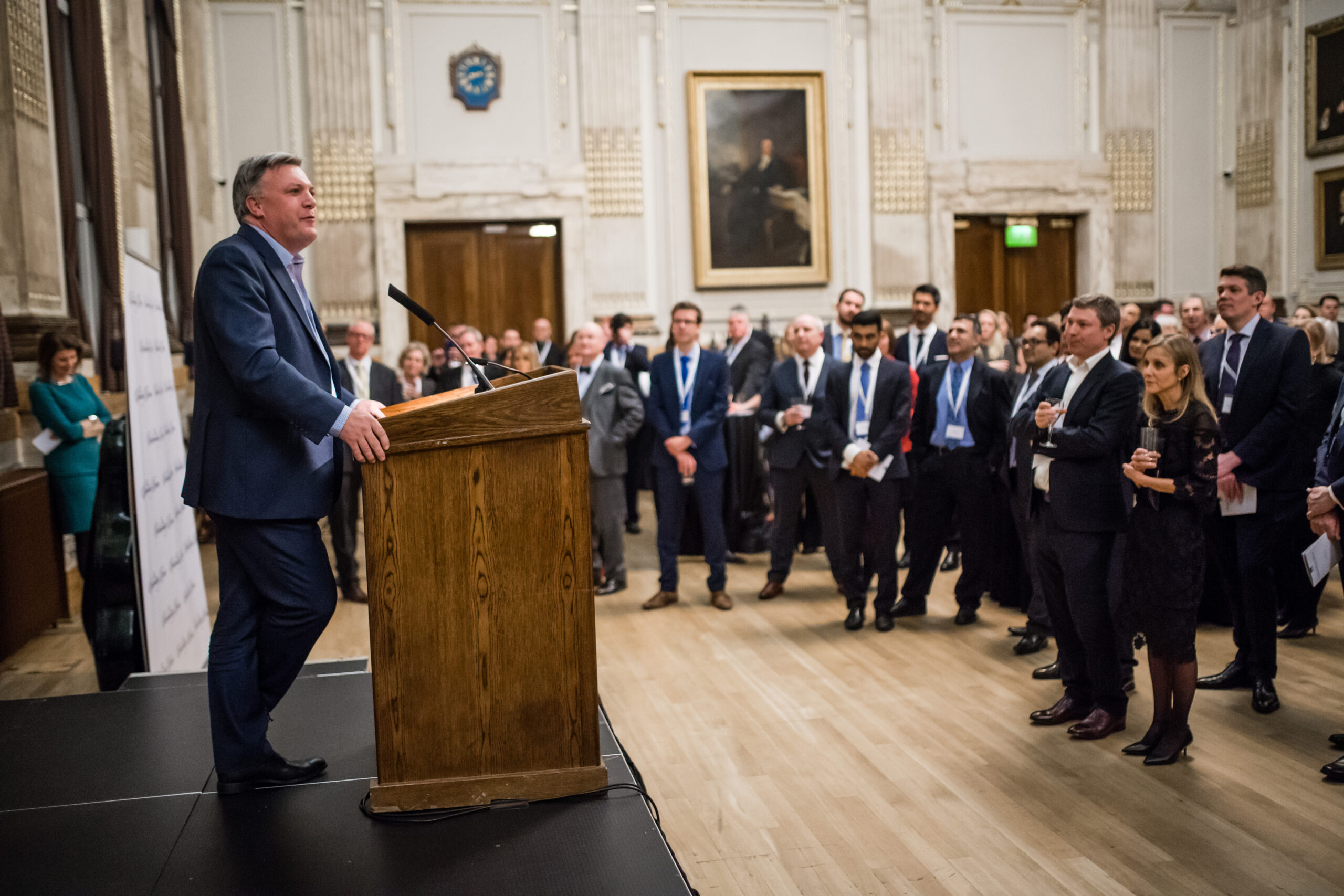
Lead with the unmissable shots. The keynote speaker mid-sentence, the panel from the audience side, your CEO presenting an award, the full room shot from the back. List five to eight of these. Anything more than that becomes a wish list, not a shot list.
Then add the brand context shots. The branded backdrop with people in front of it, the sponsor signage, the welcome arrival board with guests checking in. These are the photos that prove the event happened and that your brand was front and centre.
Finally add the texture shots. Hands shaking, laughter between sessions, two people deep in conversation at the bar, a wide shot of the catering. These are the photos that make the event recap actually feel like an event. I’ll usually find these naturally, but flagging your intent helps me prioritise.

What should I share about the run-of-show?
Send the run-of-show even if it’s a draft. The photographer needs to know when the keynote starts so I can be in position before the first slide, and when the panel runs so I can plan equipment changes between sessions. A two-page document with timings, speakers, and stage layout covers ninety percent of what I need.
If you have a green room or speaker prep area, tell me. Behind-the-scenes shots of speakers preparing are some of the strongest images in any event recap, but they only happen if I know where to find the speakers thirty minutes before they go on.
How do I make sure the photographer captures my VIPs?
Send a photo of each VIP in the brief. Names alone are not enough. At an event with 200 attendees, I cannot ask every man in a navy suit if they are the CEO. Photos in the brief and a thirty-second introduction at the start of the day let me match faces to roles within the first half hour.
Confirm the named on-day contact will physically point out the VIPs during the networking sessions. This sounds obvious. It’s the single most common breakdown I see on a London corporate shoot, and it’s a five-minute fix in the briefing call.

What about photo restrictions and consent?
If any guests do not want to be photographed, put it in writing in the brief. The same applies to confidentiality concerns around specific slides, sponsor materials, or the venue itself. I’d much rather know in advance than be asked to delete frames after the event.
For internal events involving minors, military personnel in active roles, or guests from certain regulated industries, send the consent and restriction list separately and ask me to confirm receipt. This is not bureaucracy. It’s how I avoid putting a face on your event recap that should not be there.
How and when should I deliver the brief?
Email the full written brief at least one week before the event. The day before, run a fifteen-minute call to walk through any changes, the latest run-of-show, and any new VIPs. On the day, plan to spend the first five minutes on-site walking the venue with me and pointing out anything that has changed.
For recurring events, send the brief at the same time each year. I’ll often keep a running file for repeat clients, and the brief just needs the date, run-of-show, and any personnel changes. This is how a smooth corporate shoot becomes a routine corporate shoot.
If you’d like a template you can copy and adapt, you can contact me via the website and I’ll send the same document I share with new clients. For more on what to expect from a London event shoot, see my post on why professional event photography matters for your business.
Frequently asked questions
What is the minimum brief a photographer needs for a corporate event?
Venue, timings, named contact on the day, and three to five must-have shots. Everything else is useful but those four points are non-negotiable.
Should I share the run-of-show with the photographer?
Yes, every time. Even a draft helps. The photographer needs to know when the keynote starts so they can be in position, and when the panel runs so they can plan equipment changes between sessions.
How do I make sure the photographer captures my CEO?
Send a photo of the CEO in the brief and confirm the named contact on the day will point them out. For larger events, I’ll often ask for a 30-second introduction at the start of the day so I can match faces to roles.
Can the photographer take group shots during a London event?
Yes, but plan it into the run-of-show. Group shots take five to ten minutes to organise properly, and trying to round people up at the end of a long event rarely works. Schedule them either at registration or just before the closing session.
What should I tell the photographer about photo restrictions?
If certain people don’t want to be photographed, or if there are confidentiality concerns around specific guests, the slides, or the venue itself, put it in writing in the brief. I’d much rather know in advance than delete frames after the event.
Do I need a separate photographer for headshots at the event?
For events with more than 50 attendees, a dedicated headshot station works well and gives delegates a useful takeaway. For smaller events, the same event photographer can fit in a short headshot session during the networking break.
How much does a corporate event photographer in London cost?
Half-day coverage typically starts around £600 and a full-day shoot with same-day press images and full delivery within five working days sits between £900 and £1,500 depending on event size, deliverables, and usage rights.